


21 November 2025
Every year, more than 236,000 people drown worldwide, according to the World Health Organization. Yet when investigators examine why rescues fail, the cause is rarely equipment failure, it’s time. Most drownings happen unnoticed, unreported, or too fast for human response.
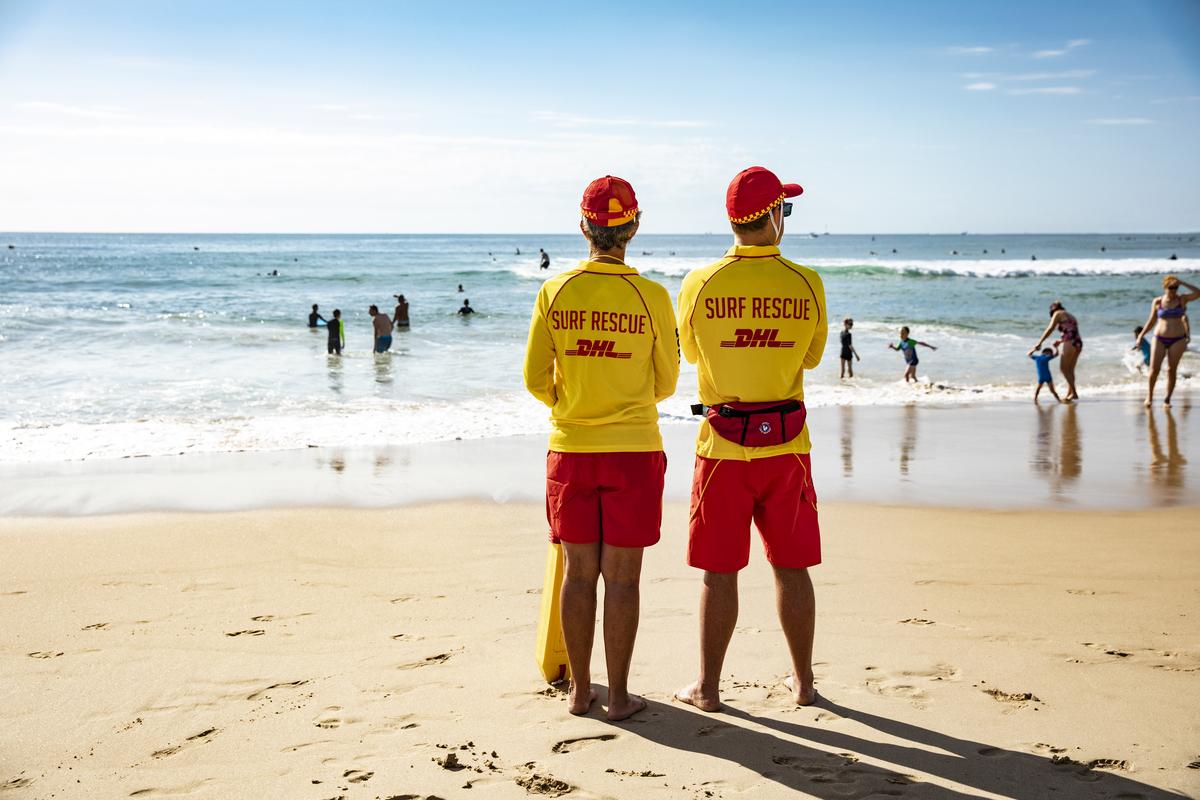
From the moment a swimmer begins struggling, the window to intervene can be as short as 20–60 seconds. But beach lifeguards, despite exceptional training, face human limitations: glare, distance, crowds, blind spots, and fatigue. Studies by the International Surf Lifesaving Association show that even elite guards miss up to 38% of early distress signs during high-traffic hours.
Modern rescue teams now agree: the delay doesn’t happen when lifeguards dive into the waterm, it happens before they ever know someone is in trouble. Research from the U.S. National Drowning Prevention Alliance shows three systemic issues:
“Detect early, and you prevent an emergency. Detect late, and you respond to one.”
The Centers for Disease Control reports that 80% of drowning deaths are preventable with faster recognition. That’s why coastal agencies worldwide are shifting toward automated watchtowers, AI monitoring, and drone-assisted verification and rescue. Early trials show that when AI flags distress early, guards can intervene up to 40 seconds sooner, often before the victim submerges.
This isn’t about replacing lifeguards. It’s about giving them a second pair of eyes that never blinks, especially during the moments that matter most.