


21 November 2025
Every summer, our operations team reviews incident logs from beaches around the world. A pattern always emerges: by the time a distressed swimmer is noticed from shore, precious seconds have already slipped away. AeroResQ™ was designed to change that, seeing early signals of danger faster than the human eye, filtering noise from real risk, and informing lifeguards clearly without ever overwhelming them.
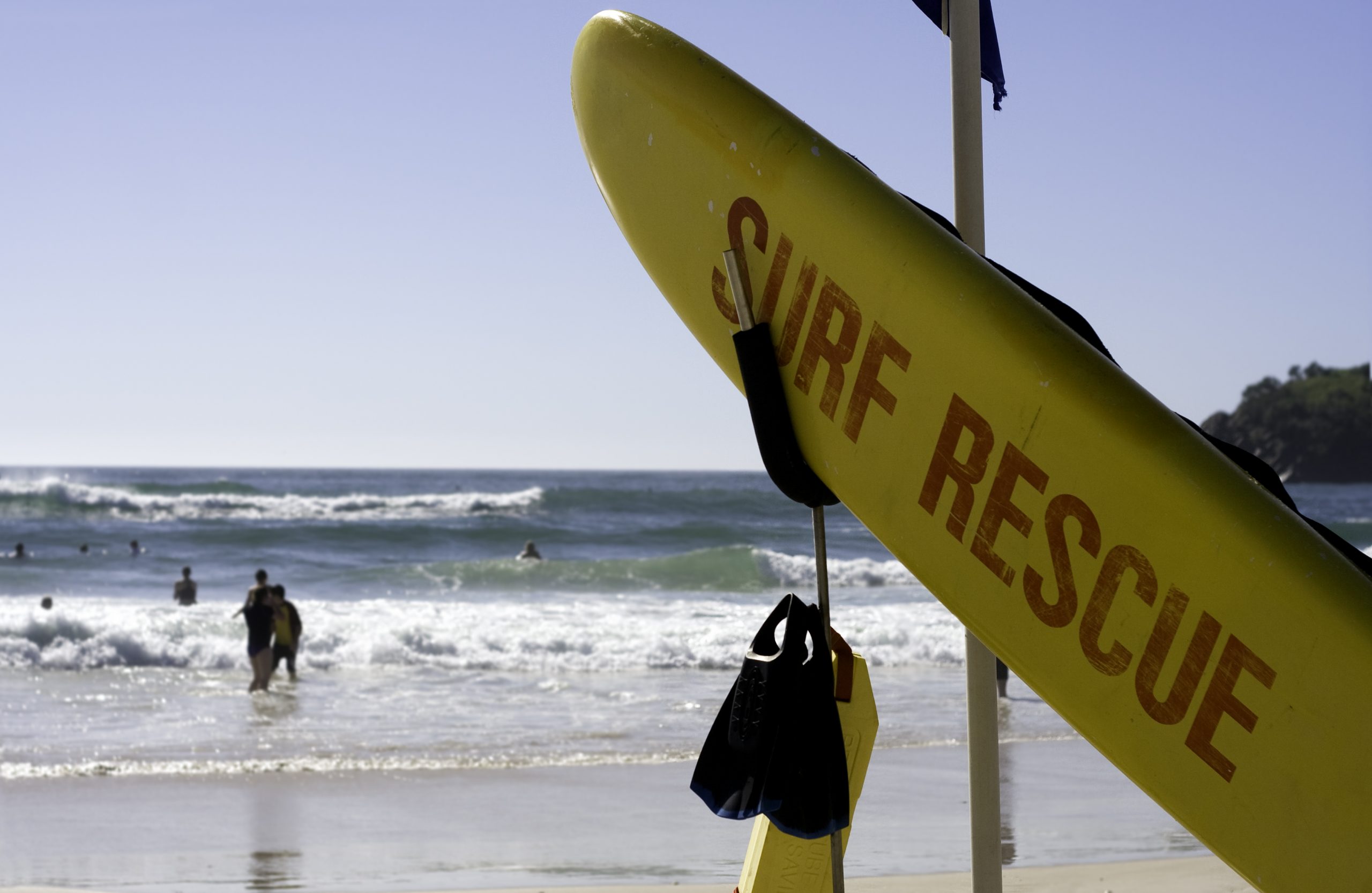
Most drowning victims don’t wave. They don’t shout. They don’t thrash. They slip underwater quietly.
Operational research from the International Life Saving Federation shows that up to 85% of drowning episodes begin with subtle posture changes: vertical body alignment, reduced kicking, delayed arm recovery, or forward bobbing. These signs are easy for humans to miss, especially when watching hundreds of swimmers in glare and surf.
This is why AeroResQ™ is built to observe swimmers continuously, analyze motion patterns, and alert lifeguards the moment behavior becomes abnormal, not after a visible struggle.
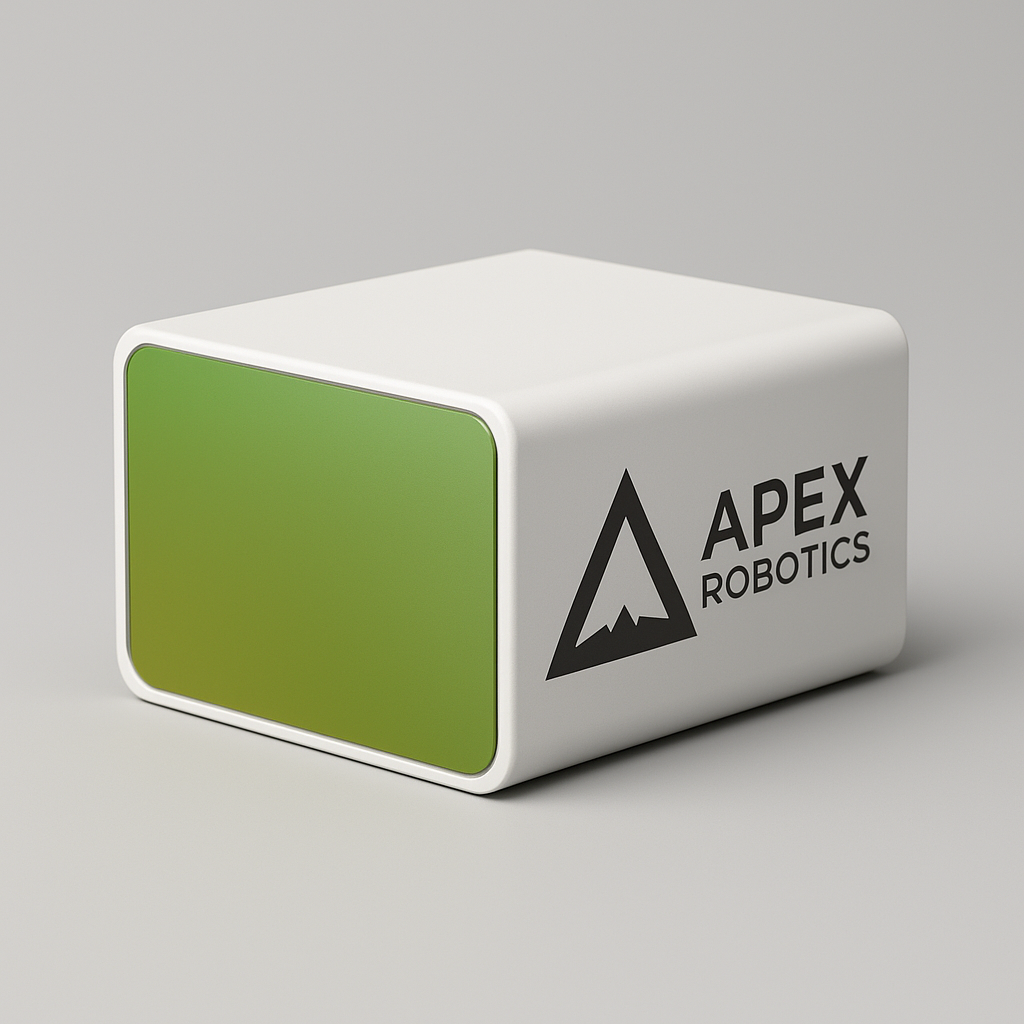
To detect distress early, AeroResQ™ fuses inputs from three synchronized sensors:
All vision channel are processed on an embedded NVIDIA module running custom AI models optimized specifically for water-rescue environments.
🟢 Step 1 — Detection (0.0s to 0.2s)
A convolutional detector identifies all visible swimmers, bounding each one and tracking their position frame-to-frame.
🟠 Step 2 — Behavior Analysis (0.2s to 2.5s)
A transformer-based motion model compares each swimmer’s pattern against thousands of archived rescue scenarios, identifying:
The system filters out harmless actions like diving, splashing, or playing.
🔴 Step 3 — Risk Classification (2.5s to 4.0s)
⚪ Step 4 — Human-in-the-Loop Verification (4.0s to 5.0s)
Once AeroResQ™ is confident a swimmer may be in danger, the system sends the event summary such as bounding boxes, motion traces, and confidence scores, to the lifeguard for rapid human confirmation. The AI never launches a rescue on its own; it elevates only high-confidence cases, and the lifeguard makes the final call.
The biggest takeaway: Speed + clarity saves lives.
Each update brings us closer to a world where every beach has an extra set of eyes, eyes that never blink.
“Detecting distress quickly is only half the challenge. The real win is giving lifeguards context so they can choose, launch the drone, dive in, or stand down, with absolute confidence.”
During coastal trials, AeroResQ™ cut false alarms by 63% and improved confirmed distress detection to 98%. Lifeguards reported greater confidence and reduced scanning fatigue, especially during peak hours.